Facility Management ERP for Operations and Maintenance Companies

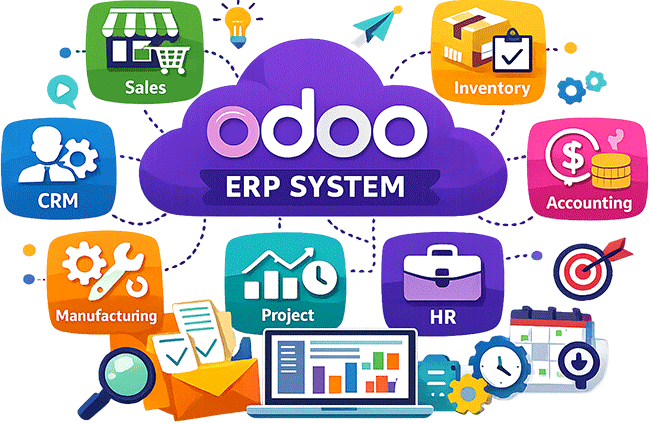
ERP systems across multiple industries

Facility Management Operations

Facility management companies are responsible for operating and maintaining physical assets across a wide range of environments. These facilities may include commercial buildings, residential communities, corporate headquarters, banks, industrial sites, and specialized infrastructure such as data centers and server rooms.

Operations typically involve multiple service activities including preventive maintenance, corrective maintenance, inspections, equipment servicing, and operational support.

These services may be delivered by internal maintenance teams or coordinated through external subcontractors depending on the service model of the organization.

Because facility management companies operate across multiple locations, contracts, and maintenance teams, coordinating operational activities can become complex. Maintenance schedules, technician assignments, spare parts management, and client reporting all require structured operational systems.

When these activities are managed through spreadsheets or disconnected tools, organizations often struggle to maintain operational visibility and service consistency.

ERP systems help facility management companies integrate operational activities into a unified system that connects maintenance operations, procurement processes, service teams, and financial reporting.

Operational Challenges for Facility Management Companies

Facility management companies often face operational complexity as they scale their service operations.

Managing Multiple Facilities and Service Contracts

FM providers frequently manage numerous facilities simultaneously, each operating under different service contracts and operational commitments.

Maintaining visibility across these facilities becomes increasingly difficult when operational data is fragmented across multiple systems.

Maintenance Scheduling and Work Orders

Maintenance operations require careful scheduling of preventive maintenance activities, corrective maintenance tasks, and emergency interventions.

Without structured systems, organizations may struggle to assign tasks, monitor work completion, and maintain consistent service levels.

Spare Parts and Consumables Management

Maintenance operations depend on the availability of spare parts and consumables. Poor inventory visibility may result in delayed repairs or inefficient procurement cycles.

Coordination Between Field Teams and Management

Technicians and maintenance teams typically operate across multiple facilities. When field operations are not integrated into a central system, management teams may lack real-time visibility into operational activities.

Service Reporting for Clients

Facility management providers are often required to deliver operational reports to their clients showing maintenance activities, response times, and service outcomes.

Producing these reports manually can be time-consuming and may lead to inconsistent operational data.

Facing Similar Operational Challenges?

If your organization operates in facility management or maintenance services and is evaluating ERP systems, our team can help assess your operational requirements and implementation scope.

What an ERP System Must Support in Facility Management

ERP systems used in facility management companies must support the operational structure of maintenance service providers.

This includes integrating service contracts, maintenance schedules, operational teams, procurement processes, and financial management.

Maintenance Requests and Service Tickets

ERP systems allow organizations to receive and manage maintenance requests from clients or internal teams. Service requests can be tracked, assigned to technicians, and monitored until completion.

Preventive, Corrective, and Predictive Maintenance

Maintenance operations typically include several types of activities.

ERP systems must support:

  • preventive maintenance schedules
  • corrective maintenance work orders
  • predictive maintenance activities

These capabilities allow organizations to manage maintenance operations proactively and reduce unexpected equipment failures.

Maintenance Teams, Field Operations, and Subcontractors

ERP systems help coordinate maintenance teams working across multiple facilities by managing task assignments, technician scheduling, and operational tracking.

Maintenance operations may be performed by internal technicians or coordinated with external subcontractors depending on the service requirements.

ERP systems help organizations assign tasks to internal teams, coordinate subcontractor activities, and track service completion across facilities.

This ensures operational visibility whether maintenance activities are performed internally or outsourced.

Spare Parts and Maintenance Inventory

Maintenance activities require structured management of spare parts, tools, and consumables.

ERP systems help organizations track inventory usage, manage stock levels, and coordinate procurement processes.

Service Contract Coordination

Facility management operations are frequently structured around service contracts that define operational commitments and maintenance responsibilities.

ERP systems help organizations track contract obligations and operational performance.

Facility management contracts often involve multiple service providers and specialized subcontractors.

ERP systems help coordinate these relationships by linking service contracts with subcontractor assignments, purchase orders, and operational reporting.

Financial Integration

Operational activities including maintenance services, spare parts usage, and procurement must integrate with accounting systems.

This integration provides management teams with clear financial visibility across maintenance operations.

Archer Experience in Facility Management ERP Implementations

ERP implementation in facility management companies requires a clear understanding of maintenance workflows, service contracts, and operational coordination between field teams and management.

Archer Solutions implements ERP systems using the Odoo ERP platform to support operational environments where maintenance coordination, asset tracking, and service reporting are essential.

These ERP environments typically integrate operational activities including maintenance scheduling, service request management, spare parts coordination, and financial reporting.

By aligning ERP systems with maintenance workflows, organizations gain improved operational visibility and better coordination between maintenance teams and management.

Evaluating ERP for Your Facility Management Operations?

ERP implementation requires understanding how maintenance teams, facilities, and operational processes interact.

Typical ERP Scope for Facility Management Companies

ERP implementations for facility management organizations typically include several operational domains.

Maintenance and Work Order Management

Maintenance schedules, service requests, technician assignments, and work orders are managed through the ERP system.

Spare Parts and Consumables Management

Inventory tracking ensures that maintenance teams have access to necessary materials while maintaining visibility into stock levels and procurement needs.

Service Contract Management

ERP systems maintain visibility into service agreements, operational commitments, and maintenance performance across facilities.

Technician and Field Operations Coordination

Maintenance teams receive tasks, update work progress, and report service outcomes within the ERP system.

Financial and Accounting Integration

Maintenance operations, procurement activities, and inventory usage integrate with accounting systems to ensure accurate financial reporting.

Key Considerations for Successful Facility Management ERP Implementation

01

Operational Workflow Analysis

Understanding maintenance workflows is critical to ensuring the ERP system reflects real operational processes.

02

Integration Between Operations and Finance

Maintenance activities must integrate with financial reporting to provide accurate operational visibility.

03

Structured Maintenance Processes

ERP systems must support preventive and corrective maintenance processes to maintain operational reliability.

04

Reporting and Performance Monitoring

Facility management companies depend heavily on operational reporting to evaluate service performance and contractual compliance.

ERP systems provide the data environment required for structured reporting.

Case Studies

Archer Solutions has implemented ERP systems for organizations operating in facility management and maintenance environments, supporting operations across maintenance coordination, service requests, spare parts management, and operational reporting.

These implementations typically involve integrating maintenance scheduling, technician operations, procurement processes, and financial reporting within a unified ERP environment.

Some of these implementations include:

Planning an ERP Implementation for Facility Management?

If your organization manages maintenance operations or facility services and is evaluating ERP systems, Archer Solutions can help assess operational requirements and implementation scope.

Frequently Asked Questions About Facility Management ERP

What ERP system is suitable for facility management companies?

ERP systems suitable for facility management companies must support maintenance scheduling, service requests, technician coordination, inventory management, and financial reporting within a unified operational environment.

Can ERP systems manage preventive maintenance schedules?

Yes. ERP systems can generate preventive maintenance schedules, create work orders automatically, and track maintenance activities across multiple facilities.

Can ERP systems manage service contracts and maintenance operations?

ERP systems can integrate service contracts with operational activities including maintenance scheduling, technician assignments, spare parts usage, and financial reporting.

This integration provides management teams with full visibility into service performance and operational activities.

Can ERP systems manage subcontractors and external maintenance providers?

Yes. Facility management companies often rely on external subcontractors for specialized maintenance services such as HVAC systems, elevators, security systems, or technical infrastructure.

ERP systems can coordinate subcontractor activities through work orders, service contracts, and procurement processes while maintaining full operational visibility and financial integration.